
Retaining Wall Design and Construction in Denver
A retaining wall does two jobs at once. It holds back soil and controls a grade, and it shapes how your whole yard looks and functions. Get the engineering wrong and it leans, cracks, or fails. Get it right and it can turn an unusable slope into a level lawn, a terraced garden, or the foundation for a patio. At C&H Landscaping, we design and build retaining walls across Denver that do both, combining sound structure with the kind of stonework people actually want to look at.
Retaining walls are masonry, and masonry is where we are strongest. Our masons are C&H employees, not subcontractors, and as a design-build company we handle your project from grading and engineering through the final course of stone. Explore our outdoor construction and hardscaping work, then let’s talk about your site.
Schedule a free consultation: get started here or call (303) 988-1873.
Structural vs. Decorative Retaining Walls
Not every wall does the same work, and knowing which you need shapes the whole project.
- Structural retaining walls hold back real soil load and manage grade changes. These walls carry lateral earth pressure and sometimes a surcharge from a driveway or structure above, so they depend on proper engineering, a solid base, reinforcement, and drainage to last.
- Decorative and seat walls define space, frame a patio, raise a planting bed, or add seating without holding back a significant grade. They are lighter-duty, but on a C&H project they are built to the same standard of craftsmanship.
Many yards call for both, and our designers plan them together so the structural and decorative walls read as one cohesive design.

Retaining Wall Materials
The right material depends on your site, your budget, and the look you are after. We build in all of them:
- Segmental concrete block. Engineered modular block is versatile and cost-effective, and its dry-stacked design flexes with Colorado’s freeze-thaw cycles while allowing water to drain.
- Natural stone. Dry-stacked or mortared stone gives a timeless Front Range look. Dry-stacked walls drain naturally between stones and age beautifully.
- Boulder walls. Large native boulders create a rugged, natural retaining solution that suits foothill lots and larger grade changes.
- Poured and architectural concrete. Clean, modern lines with the option to veneer in stone for a custom finish.
Because we run experienced masons in house, we can match materials to your architecture rather than defaulting to whatever a crew happens to know.


Drainage and Soil Pressure
Most retaining walls that fail do not fail because of the blocks. They fail because of water. When groundwater collects behind a wall with nowhere to go, it creates hydrostatic pressure that pushes the wall out and cracks it over time. That is why drainage is engineered into every wall we build, with gravel backfill, drainage aggregate, perforated drain lines, and weep holes that relieve the pressure before it becomes a problem.
Colorado adds its own challenge. Our expansive clay soils swell and shrink as moisture and temperatures change, and freeze-thaw cycles move the ground through the winter. We account for that with proper base preparation, footings set below the frost line, and geogrid reinforcement on taller walls, so your wall stays put through the seasons.
Solutions for Sloped and Terraced Yards
A steep or awkward slope is often the reason homeowners call us. Retaining walls are how we turn that grade into something you can actually use. A single wall can carve out a level lawn or patio, while a series of terraced walls can step down a hillside into planting beds, seating areas, and usable outdoor rooms, all while controlling erosion. Tiered walls have to be spaced and engineered correctly, which is exactly the kind of detail our design-build process is built to handle.
Integrating Walls With Patios and Plantings
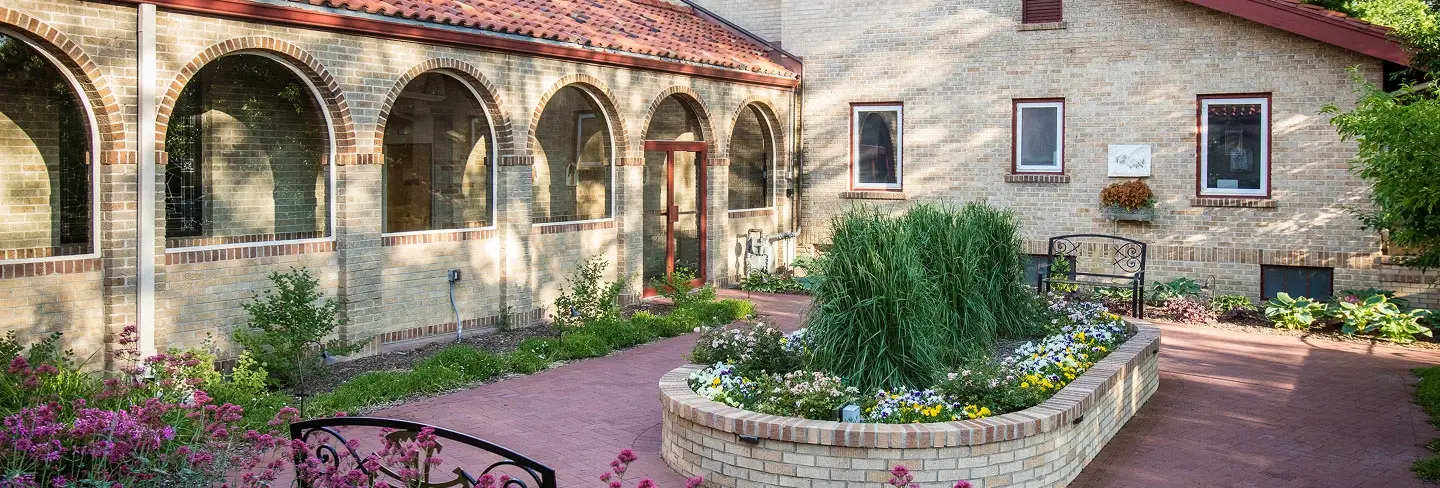
The best retaining walls never look like an afterthought. Because we design and build the whole landscape, we integrate your walls with the surrounding patios, steps, and hardscaping and with the plantings around them. A retaining wall can double as bench seating around a fire feature, become a raised planter that softens the stone, or carry integrated lighting that makes the yard usable after dark. Planned together, structure and landscape feel like one space.
What Affects the Cost of a Retaining Wall
Retaining wall pricing varies widely because no two sites are the same. The factors that move the number most are:
- Wall height and total length
- Material and finish
- How much soil load the wall holds and whether engineering is required
- Drainage and base preparation
- Site access and grading
- Terracing or multiple walls
Rather than quote a one-size-fits-all price, we provide a personalized estimate after we understand your site. The best next step is to start with a design and estimate.


Denver Permitting and Site Considerations
Retaining walls are regulated, and the rules matter. In the City and County of Denver, walls over four feet (measured from the bottom of the footing) generally require a building permit with stamped, engineered plans, and even lower walls over about a foot can require a zoning permit. Walls that support a surcharge, such as a driveway or structure, and walls in the front setback carry additional requirements. Thresholds vary across the surrounding metro municipalities, so it is always worth confirming with your local building department.
The good news is that you do not have to navigate this alone. Our team knows local codes across the metro and manages the engineering and permitting as part of the design-build process, so your wall is built correctly, legally, and to last.
Retaining Wall FAQs
Do I need a permit for a retaining wall in Denver?
Often, yes. In Denver, walls over four feet generally require a building permit and engineered plans, and shorter walls can still require a zoning permit. Requirements vary by municipality across the metro, and we handle the permitting and engineering for your project so it is done right.
What is the best material for a retaining wall in Colorado?
It depends on your site and style. Segmental concrete block and dry-stacked natural stone both perform well in our freeze-thaw climate because they flex with soil movement and drain naturally. We help you choose based on look, budget, and how much load the wall carries.
Why do retaining walls fail?
The most common cause is poor drainage. Water trapped behind a wall builds hydrostatic pressure that pushes it out over time. Proper drainage, base preparation, and reinforcement, all standard on our builds, are what keep a wall standing for decades.
Can a retaining wall fix my sloped yard?
Usually, yes. Retaining walls and terracing are the most effective way to turn a slope into level, usable space while controlling erosion. We design the layout around how you want to use the yard.

Start Your Retaining Wall Project
Whether you are holding back a slope, terracing a hillside, or adding a seat wall to your patio, C&H Landscaping designs and builds retaining walls across the Denver metro that are engineered to last. Schedule your free consultation today, or call (303) 988-1873.