An irrigation system is a structured method of delivering water to plants, lawns, and landscapes in a controlled and efficient way. Instead of relying solely on rainfall or manual watering, irrigation systems distribute water through a network of pipes, valves, and sprinklers designed to keep landscapes healthy year-round. For homeowners considering irrigation system installation, understanding how these systems work and why they matter is essential for protecting their investment and maintaining a thriving outdoor environment.
In climates like Denver’s, where weather patterns shift dramatically between seasons, an efficient irrigation system plays a crucial role in long-term landscape success.
The Purpose of an Irrigation System
At its core, an irrigation system ensures plants receive the right amount of water at the right time. While this may sound simple, proper watering is one of the most important, and also most misunderstood, aspects of landscape care.
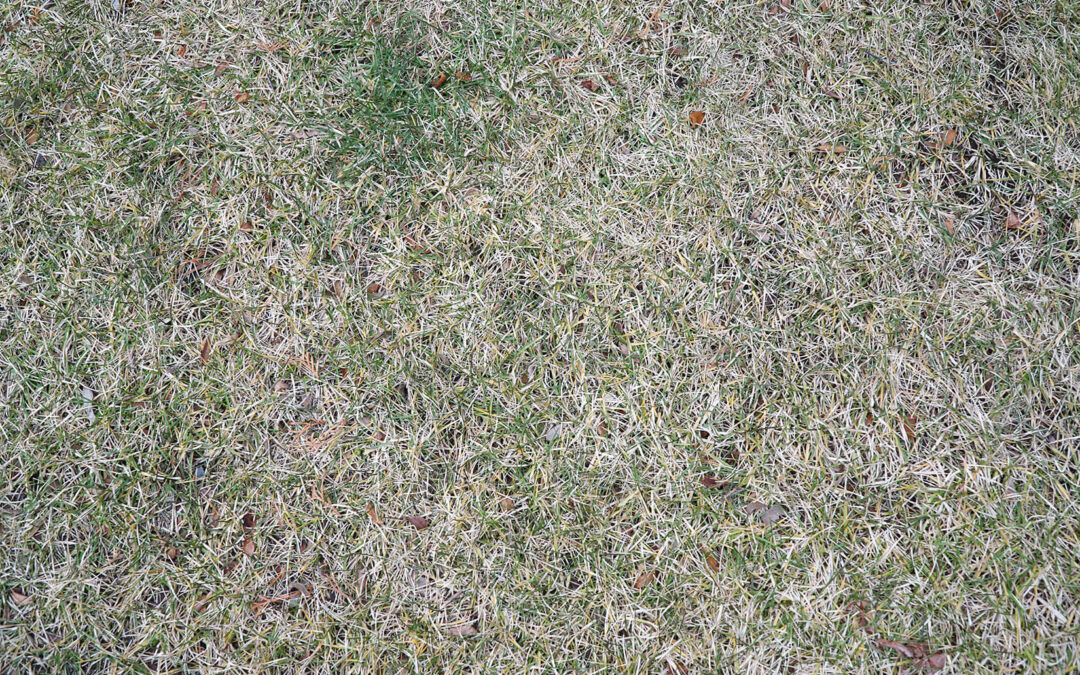
Too little water can stress plants, weaken root systems, and cause dieback. Too much water can lead to root rot, fungal disease, and wasted resources. An irrigation system helps eliminate guesswork by delivering consistent, measured hydration tailored to the needs of different plant types and soil conditions.
In regions with dry summers and unpredictable precipitation, irrigation systems are often the difference between a landscape that survives and one that thrives.
Main Components of an Irrigation System
A professionally designed irrigation system includes several interconnected parts that work together seamlessly.
1. Water Source
The system begins with a water source, typically a municipal water line. A backflow prevention device is installed to ensure that irrigation water does not contaminate the home’s potable water supply.
2. Controller (Timer)
The controller acts as the brain of the system. It allows homeowners or professionals to schedule watering times, durations, and frequency. Modern controllers can adjust automatically based on weather data, reducing water waste.
3. Valves
Valves regulate water flow to different “zones” throughout the landscape. Each zone can be programmed independently, allowing lawns, flower beds, shrubs, and trees to receive customized watering.
4. Pipes and Tubing
Underground pipes transport water from the source to sprinkler heads or drip lines. Proper pipe sizing and layout are critical for consistent water pressure and coverage.
5. Sprinkler Heads and Drip Emitters
Sprinkler heads are commonly used for lawns and larger areas, while drip irrigation is often used for planting beds and shrubs. Drip systems deliver water directly to the root zone, minimizing evaporation and runoff.
Types of Irrigation Systems
Not all irrigation systems are the same. The right system depends on the size of the property, plant types, soil conditions, and climate.
Sprinkler Irrigation Systems
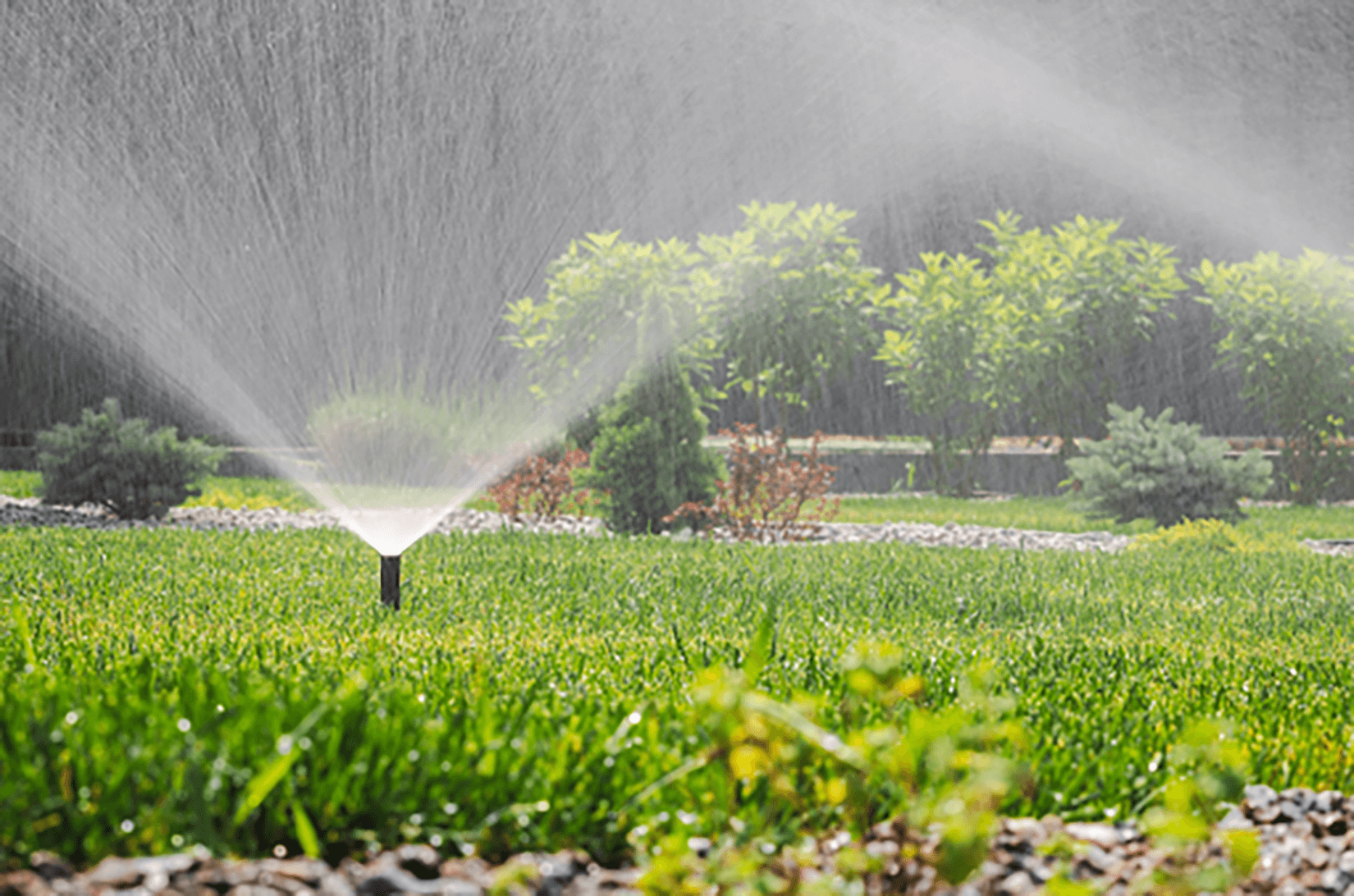
These are the most common systems for residential lawns. Pop-up sprinkler heads distribute water evenly across turf areas and retract when not in use. They are ideal for large, open spaces.
Drip Irrigation Systems
Drip systems deliver water slowly and directly to the base of plants through tubing and emitters. This method is highly efficient and particularly beneficial in Denver’s dry climate, where minimizing evaporation is essential.
Smart Irrigation Systems
Smart systems integrate weather sensors, soil moisture monitors, and Wi-Fi connectivity. They automatically adjust watering schedules based on real-time conditions, improving efficiency and sustainability.
Why Irrigation Systems Are Important in Colorado
Denver’s semi-arid climate presents unique watering challenges. Summer temperatures can climb quickly, while rainfall remains inconsistent. Without supplemental irrigation, many landscapes would struggle to survive.
In addition, Colorado’s clay-heavy soils can create drainage issues. Professional irrigation design accounts for soil type, slope, sun exposure, and plant needs to prevent pooling or runoff.
Winter conditions also require seasonal adjustments. Irrigation systems must be properly winterized to prevent freezing and pipe damage. Blow-outs and system shutdowns are essential before sustained freezing temperatures arrive.
Benefits of Professional Irrigation System Installation
While some homeowners attempt DIY irrigation projects, professional installation offers significant advantages.
Proper Design and Zoning
A professionally designed system accounts for sun exposure, plant types, and water pressure. Zoning ensures that turf areas receive different watering schedules than shrubs or perennials.
Water Efficiency
Efficient irrigation reduces water waste and lowers utility bills. Properly calibrated systems deliver only what’s needed, no more, no less.
Long-Term Durability
Professional installation ensures correct pipe depth, secure fittings, and proper drainage. This reduces the risk of leaks, pressure issues, and costly repairs.
Compliance with Local Regulations
Municipal codes often require backflow prevention and specific installation standards. Working with experienced professionals ensures compliance and peace of mind.
Maintenance and Seasonal Care
An irrigation system requires ongoing care to perform optimally. Regular inspections help identify clogged nozzles, misaligned sprinkler heads, or leaks.
Seasonal services typically include:
- Spring system activation and inspection
- Mid-season adjustments
- Fall winterization (blow-out)
- Periodic system audits for efficiency
Routine maintenance protects both your landscape and your investment.
Signs You May Need an Irrigation Upgrade
If you already have a system in place, certain warning signs may indicate it’s time for an upgrade:
- Uneven watering or dry patches
- Overspray onto driveways or sidewalks
- Sudden spikes in water bills
- Low water pressure
- Aging controllers without smart features
Upgrading to modern irrigation technology can significantly improve performance and efficiency.
How C&H Landscaping Approaches Irrigation Design
At C&H Landscaping, we believe irrigation is more than just watering — it’s a critical component of a healthy, high-performing landscape. We design and execute irrigation system installation projects with precision, ensuring every zone is tailored to the unique needs of the property.
Because we are a full-service design-build firm, we integrate irrigation planning from the earliest stages of landscape design. This ensures hardscapes, plantings, grading, and drainage all work together seamlessly. Our in-house team carefully evaluates soil conditions, sun exposure, and plant selections to create efficient systems built for Colorado’s climate.
We also provide seasonal maintenance and system optimization to ensure long-term reliability. Our goal is to protect your landscape investment and support sustainable water use year after year.
Hire C&H Landscaping for Professional Irrigation Services
If you’re considering a new irrigation system or upgrading an existing one, we’re here to help. At C&H Landscaping, we bring decades of experience, craftsmanship, and attention to detail to every irrigation system installation project we undertake.
We handle everything from design and installation to seasonal maintenance and system adjustments, so you can enjoy a healthy, vibrant landscape without the stress of managing water schedules yourself.
Contact C&H Landscaping today to schedule a consultation and learn how our expert irrigation solutions can enhance your outdoor space. Let us design a system that delivers efficiency, reliability, and long-term performance for your home.

At C&H Landscaping, our mission is to transform everyday outdoor spaces into something extraordinary with creative designs and top-notch craftsmanship. Expert Denver landscaping services from custom design to professional installation. We offer tailored solutions that enhance curb appeal, increase property value, and bring your vision to life.