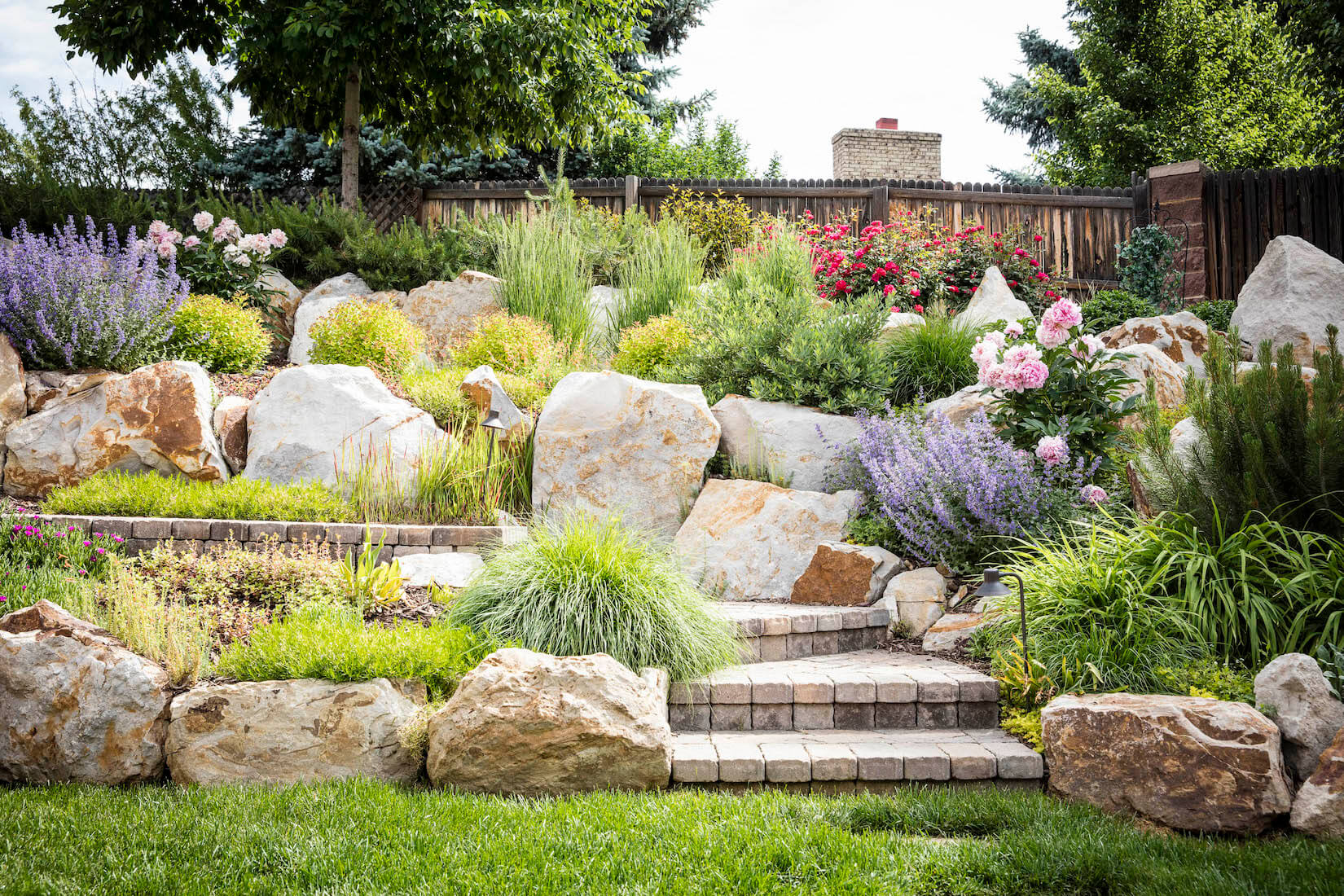
When autumn days grow shorter and the air turns crisp and clear, you might assume the planting season is over. But in states like Colorado, fall might be the best time to add new life to your yard. You might not know this, but even as the air cools in early fall, soil stays surprisingly warm — often hovering in the mid-50s to low-60s. This magical balance between cool air and warm earth helps plants focus on root development instead of leaf growth, setting the stage for strong, healthy blooms next spring.
You can add weeks of color and enjoyment to your outdoor spaces with simple adjustments and good timing. In this article, we’ll share how to take advantage of what landscaping company experts call the “secret season” for planting, when roots grow strong even as the days grow short.
You Want to Know What to Plant in the Fall
This guide is for Colorado homeowners and gardeners who want to make the most of the mild fall season. It’s beneficial for people who:
- Want to extend the beauty of their gardens well into fall
- Are looking for low-maintenance ways to keep their landscapes thriving
- Thought spring was the only time to plant — and are ready to learn how fall can actually be better
- Love spending time outdoors and want a yard that feels alive even as the days grow shorter
Whether you’re a hands-on gardener or simply enjoy a well-kept yard, fall planting in Colorado offers the perfect balance of warm soil, cool air, and fewer pests — making it easier to grow strong roots and lasting beauty before winter.
Why Fall Is the Best Time to Plant
Autumn often gets overlooked, but it’s one of the most forgiving and rewarding seasons for planting. The air is cool, the soil is still warm, and the sun is gentler — creating ideal conditions for roots to establish without the stress of summer heat.
Plants can focus entirely on root development with fewer weeds, pests, and watering demands. Fall rains help new plantings settle in, and the cooler weather minimizes transplant shock. By spring, your fall plants have developed sturdy underground systems and will happily leaf out faster and healthier than any planted too late.
Trees That Thrive When Planted in Fall
Fall is one of the most rewarding seasons for planting new trees. The heat of summer has eased, but the soil remains warm enough to enable root growth before winter. This combination allows trees to quietly settle in and develop a strong foundation long before the next growing season begins. Here are three excellent examples of trees for fall planting.
Maple
Maples are one of the best choices for fall planting. Their vivid red, orange, and gold foliage bring warmth and energy to the landscape just as other plants begin to fade. Once established, they adapt well to Colorado’s mixed soils and offer years of dependable shade and seasonal beauty.
Crabapple
Few trees add as much charm as the crabapple. If you don’t know what they look like, you’ve surely smelled their wonderful aroma wafting in the spring. Their clouds of fragrant blossoms are recognizable, and in fall, their glossy fruit and sculptured branches keep your garden visually interesting and alive. Many modern varieties resist common diseases, making them both beautiful and low-maintenance.
Oak
The oak tree combines strength and beauty. Many varieties showcase brilliant red and gold fall color while thriving in a range of soil and city conditions. Durable and long-lived, oaks make a smart choice for yards that need both shade and seasonal interest.
Water new trees deeply once a week until the ground freezes, and apply a two-to three-inch layer of mulch for warmth and moisture that will protect delicate new roots.
Shrubs That Establish Well Before Winter
Fall is when shrubs quietly strengthen beneath the surface, preparing to thrive when spring returns. This is their time to sink in their roots by taking full advantage of warm soil and cool air.
Spirea
Spirea is a reliable favorite for fall planting and is recognizable because of its mounded form, a go-to feature in landscaping. Clusters of pink or white blooms add softness to the landscape, and its fall foliage often turns shades of gold or bronze before winter. Once established, spirea needs little care and rewards you with color across multiple seasons.
Ninebark
You can’t mistake ninebark, which is known for its distinctive peeling bark and deep-colored foliage. Ninebark adds texture and structure to garden beds. Ninebark is a hearty, shrubby plant that tolerates various soils and conditions. It thrives in both full sun and partial shade, making it wonderfully versatile. In fall, its bronze or burgundy leaves deepen in color, creating a dramatic contrast against evergreens or ornamental grasses.
Boxwood or Juniper
Experienced gardeners know the many features boxwoods and junipers add to a garden. They are serviceable garden additions that keep landscapes looking vibrant through every season. Dense and formal, the boxwood’s mounded shape works beautifully along walkways or foundations. Junipers, on the other hand, bring movement and a soft, silvery-green tone to open beds.
When planting shrubs, water deeply at the base once or twice a week until the ground freezes. A layer of mulch retains soil warmth and protects new roots from cold, dry air.
Perennials to Plant Now for Next Year’s Color
Perennials planted in fall reward you twice — first with the satisfaction of preparing the garden’s next act, and then again in spring when new shoots return stronger than ever. As the soil stays warm and the air cools, roots stretch deep without the pressure of top growth, ensuring a healthy, established start when winter fades.
Black-Eyed Susan
She makes you smile, and few flowers brighten a landscape like the Black-Eyed Susan. Her golden petals and dark centers radiate warmth through late summer and fall, inviting butterflies and bees to linger. Once planted, it naturalizes easily, filling borders and open areas with cheerful color year after year.
Coneflower
The elegant coneflower brings lasting beauty to any garden while doing double duty as an ace pollinator and, as such, truly belongs in most any perennial flower garden. Their long stems and long-lasting blooms are purple, pink, and white, and they integrate into any garden. Once dropped, their seed heads provide food for birds in winter. The coneflower is drought-tolerant, low-maintenance, and a magnet for pollinating bees, making it a must-have in any garden.
Sedum
Sedum is beautiful and tough as nails — it thrives where other plants struggle. Its secret weapon is its fleshy leaves, which store moisture. As the season cools, its blooms shift from soft pink to deep rose. In fall sunlight, its clustered flowers catch a warm glow that keeps the garden vibrant even as other plants fade.
After planting perennials, water them well and mulch lightly. Leave stems standing through winter to protect crowns and provide shelter for pollinators, then trim back in early spring to make way for new growth.
Extend the Life of Your Garden with Expert Planning and Care
Fall is nature’s quiet reminder that preparation is its own growth. The cooler air, softer light, and steady soil warmth allow you to plan thoughtfully — not rush — and create a landscape that carries its strength into the next season.
At C&H Landscaping, our master gardeners and landscape designers know that expert planning in autumn pays off for months to come — whether planting new perennials, refreshing tired garden beds, or designing entirely new spaces. With just some care now — watering, mulching, and choosing hardy plants — your garden can stay vibrant longer and emerge stronger when spring returns.
Contact C&H Landscaping at (303) 988-1873 or fill out the contact form to tell us about your project. Schedule your free consultation today and take the first step toward making your growing season more enjoyable and longer.

At C&H Landscaping, our mission is to transform everyday outdoor spaces into something extraordinary with creative designs and top-notch craftsmanship. Expert Denver landscaping services from custom design to professional installation. We offer tailored solutions that enhance curb appeal, increase property value, and bring your vision to life.