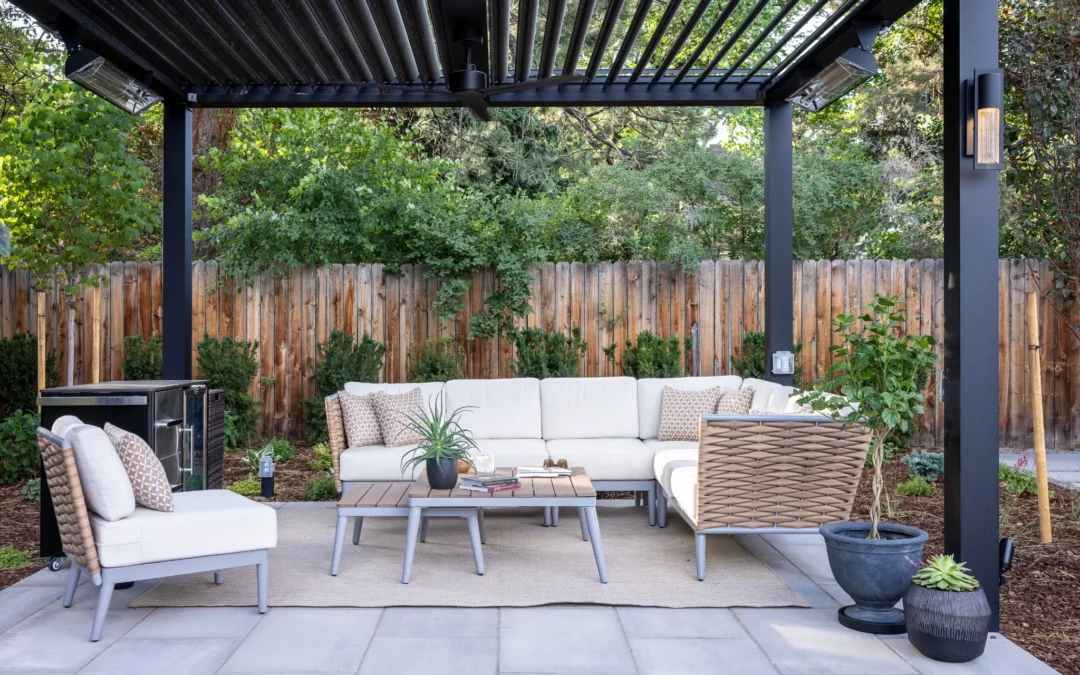
Quick answer: For most Colorado homes, pavers are the most resilient all-around patio material because their interlocking, flexible system handles the Front Range’s freeze-thaw cycles and clay soils without cracking. Natural stone is the premium choice when look matters most, and poured concrete is the budget-friendly option that carries the highest risk of cracking here. The best material comes down to your priorities on cost, appearance, and longevity.
A patio is a long-term investment in how you live outdoors, and in Colorado the material you choose matters more than it would in a milder climate. Our freeze-thaw swings, high-altitude sun, and expansive clay soils are hard on hardscaping. Here is an honest look at how pavers, poured concrete, and natural stone compare for a Front Range home, so you can choose with confidence.
Why Colorado’s Climate Is Hard on Patios
Before comparing materials, it helps to understand what a patio is up against here. These are the forces that separate a patio that lasts from one that cracks and shifts within a few winters:
- Freeze-thaw cycles. The Front Range runs through dozens of freeze-thaw cycles every winter as sunny days melt snow and cold nights refreeze it. Water seeps into cracks and joints, freezes, expands, and pries materials apart. This is the single biggest stress on any Colorado patio.
- Expansive clay soils. Much of the Denver Metro sits on clay that swells when wet and shrinks when dry. That movement lifts and settles anything built on top of it, which is brutal on rigid surfaces that cannot flex.
- Intense high-altitude sun. At a mile above sea level, UV is stronger. It fades color and breaks down sealers faster than it would at lower elevations.
- Snow, hail, and big temperature swings. Heavy snow loads, summer hail, and 40-degree daily swings all add wear that a patio material has to shrug off year after year.
Poured Concrete Patios
Poured concrete is the most common and most affordable patio surface. It is installed as a single slab, and with stamping and coloring it can mimic stone or tile for a fraction of the price.
- Strengths: Lowest upfront cost, a clean and modern look, a wide range of stamped and colored finishes, and a smooth surface that is easy to furnish and sweep.
- Drawbacks in Colorado: Concrete is rigid, so freeze-thaw movement and shifting clay soil tend to crack it over time, even with control joints and rebar. Once it cracks or heaves, repairs are hard to hide, and a full section often has to be replaced. Sealers also need refreshing as the sun wears them down.
Concrete is a reasonable choice for a tighter budget or a modern design, as long as you go in knowing that some cracking is likely here and that a flawless repair is difficult.
Paver Patios
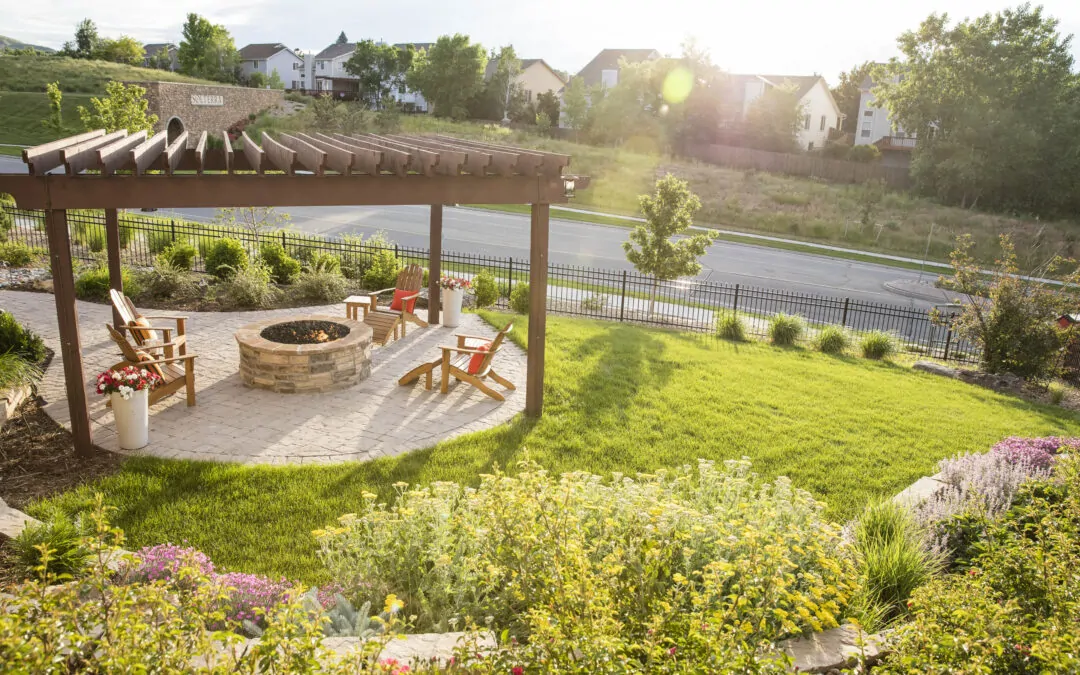
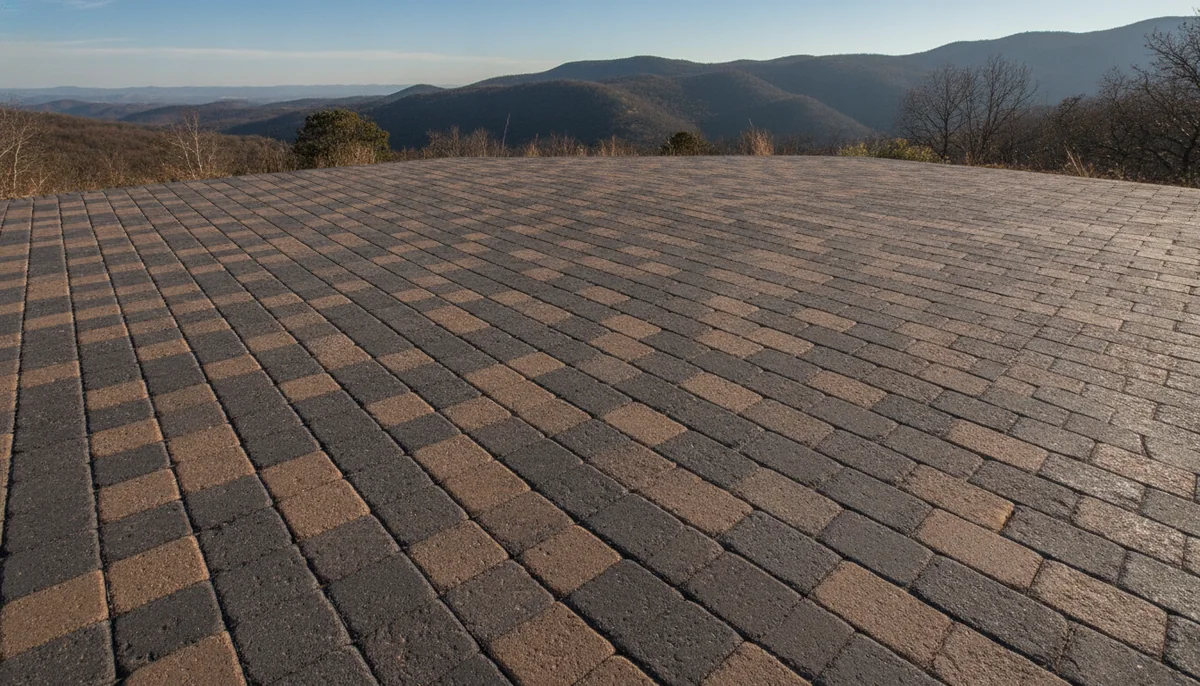
Pavers are individual units, usually concrete or clay, set in a pattern over a compacted base with sand-filled joints. Instead of one rigid slab, the surface is a flexible field of interlocking pieces.
- Strengths: That flexibility is exactly what Colorado calls for. The joints let the surface move with freeze-thaw and soil shifts instead of cracking, and if a paver is ever stained or damaged, a single unit can be lifted and swapped without touching the rest. Pavers come in a huge range of shapes, colors, and patterns, they are slip-resistant, and the patio is usable the moment it is finished.
- Drawbacks: Higher upfront cost than concrete, and the result depends heavily on the base. A patio built on a shallow or poorly compacted base can settle or shift, so installation quality matters. Joints need occasional topping up, though polymeric sand keeps weeds and washout to a minimum.
For durability and design flexibility in our climate, pavers are the option we most often steer Colorado homeowners toward.
Natural Stone Patios
Natural stone such as flagstone, sandstone, travertine, or granite delivers a one-of-a-kind, high-end look that manufactured materials cannot fully copy. Each piece is unique, and a well-built stone patio ages beautifully.
- Strengths: Unmatched character and curb appeal, excellent durability when the right stone is chosen, and a timeless look that suits high-end homes and landscapes.
- Drawbacks in Colorado: It is the most expensive option, and not all stone is equal here. Porous stones can absorb water and are more vulnerable to freeze-thaw damage unless they are sealed and maintained. Thickness and surface can be irregular, which makes expert installation essential.
Choose a dense, freeze-thaw-rated stone, plan on periodic sealing, and natural stone will reward you with a patio that looks like nothing else on the block.
Side by Side: Cost, Durability, and Maintenance
Here is how the three materials compare at a glance. Installed costs are approximate ranges for Colorado and vary with site conditions, access, pattern, and material grade.
| Poured Concrete | Pavers | Natural Stone | |
| Approx. installed cost | $6–$15 / sq ft | $15–$30 / sq ft | $20–$50 / sq ft |
| Freeze-thaw performance | Fair, prone to cracking | Excellent, flexes with movement | Good to excellent, depends on stone |
| Repairability | Hard, patches show | Easy, swap single units | Moderate, reset or replace pieces |
| Maintenance | Low, reseal and crack repair | Low to moderate, joint sand | Moderate, seal porous stone |
| Typical lifespan | 25–30 years | 30–50+ years | 50+ years |
| Best for | Tighter budgets, modern look | Durability and design range in CO | Premium, high-end aesthetics |
So, Which Patio Material Is Best for Colorado?
There is no single winner for every home, but the Colorado climate does tilt the decision. If longevity and low worry are the priority, pavers are the most resilient choice, because the flexible, interlocking system is built to move with freeze-thaw and clay soils rather than fight them, and any damage is easy to repair. If a distinctive, high-end look leads your decision and the budget allows, natural stone is hard to beat, as long as you choose a freeze-thaw-rated stone and keep it sealed. If upfront cost is the deciding factor, poured concrete gets you a patio for less, with the trade-off that cracking is more likely here and harder to fix cleanly.
In short: pavers for all-around durability, natural stone for premium design, and concrete for value.
Build It Once, Build It Right
In Colorado, the material is only half the story. What truly determines whether a patio lasts is the work underneath it: the right base depth, proper compaction, and drainage detailing that accounts for our freeze-thaw cycles and clay soils. A premium stone patio on a poor base will fail faster than a well-built concrete one. At C&H Landscaping, we have designed and built custom outdoor living spaces across the Denver Metro since 2005, with in-house masons and craftsmen on every crew, so your patio is engineered for this climate from the ground up. Explore our outdoor construction and hardscaping work, browse the project gallery, or get in touch to talk through the right material for your home.
Frequently Asked Questions
What is the best patio material for Colorado’s freeze-thaw cycles?
Pavers. Because the surface is made of individual units with flexible joints, it moves with freeze-thaw expansion and soil shifts instead of cracking the way a rigid concrete slab does. That flexibility is the main reason pavers hold up so well along the Front Range.
Do pavers crack like concrete?
Pavers rarely crack, because the jointed system flexes rather than resisting movement. The more common issue is settling or shifting, and that comes down to the base. A properly compacted, correct-depth base keeps a paver patio flat and stable for decades.
How long does each patio material last?
With good installation, poured concrete typically lasts 25 to 30 years but is likely to show cracks here, pavers last 30 to 50 years or more and are easy to repair, and natural stone can last 50 years or a lifetime when the right stone is sealed and maintained.
Is a paver or concrete patio cheaper?
Concrete is cheaper upfront, usually around $6 to $15 per square foot installed versus roughly $15 to $30 for pavers. Over the long run the gap narrows, because pavers resist cracking and let you repair a single unit instead of replacing a cracked slab.
Does natural stone hold up in Colorado?
Yes, when you choose the right stone. Dense, freeze-thaw-rated stone performs very well here. More porous stone can absorb water and suffer in our freeze-thaw cycles unless it is sealed and resealed on schedule, so stone selection and maintenance are key.

At C&H Landscaping, our mission is to transform everyday outdoor spaces into something extraordinary with creative designs and top-notch craftsmanship. Expert Denver landscaping services from custom design to professional installation. We offer tailored solutions that enhance curb appeal, increase property value, and bring your vision to life.