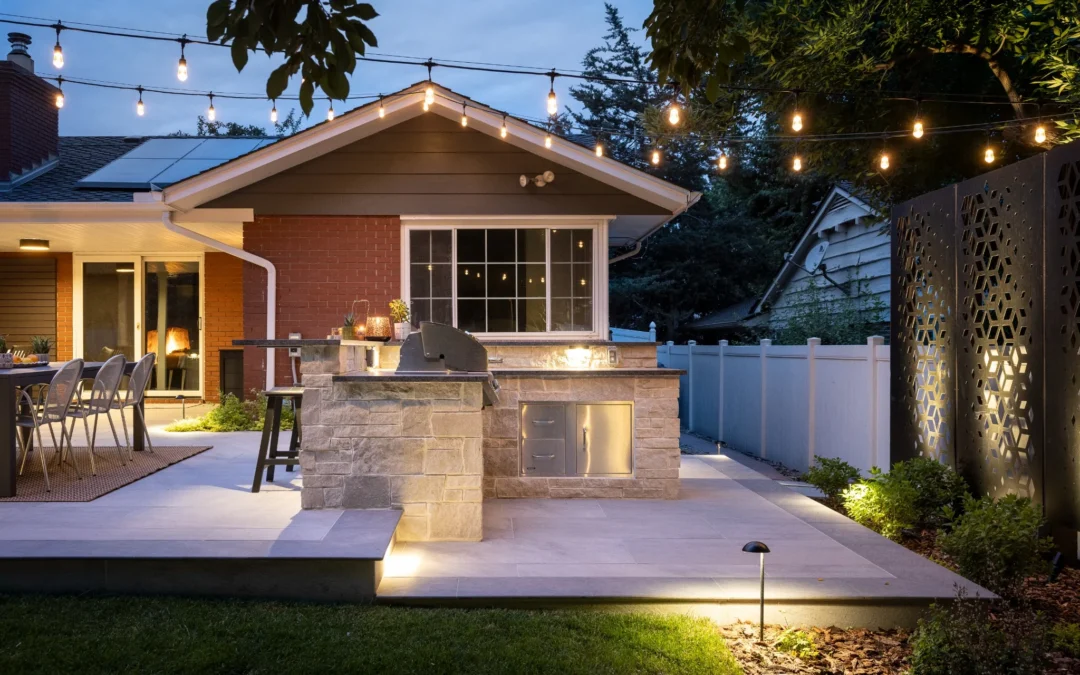

In Colorado’s semi-arid climate, water conservation is not just a trend anymore, it’s becoming a necessity. Homeowners are increasingly looking for ways to reduce water usage without sacrificing curb appeal or functionality. That’s where xeriscaping comes in. As a leading approach to efficient landscape design in Denver, xeriscaping offers a smart, sustainable solution that balances beauty, efficiency, and long-term performance. By combining drought-tolerant plants, efficient irrigation, and thoughtful design, xeriscaping allows homeowners to create landscapes that thrive in Colorado’s unique environment.
Whether you’re planning a new outdoor space or looking to upgrade an existing yard, xeriscaping provides a forward-thinking way to enhance your property while conserving valuable resources.
What Is Xeriscaping?
Xeriscaping is a landscaping method specifically designed to reduce or eliminate the need for supplemental irrigation. This term comes from the Greek word “xeros,” meaning dry, and it reflects a design philosophy centered on water efficiency.
However, xeriscaping doesn’t mean you have to have a barren or rock-filled yard. Modern xeriscaping focuses on creating lush, visually appealing landscapes that use water wisely. It blends natural elements, drought-resistant plants, and efficient irrigation techniques to achieve a balance between sustainability and aesthetics.
In Colorado, xeriscaping has evolved into a refined approach that complements the region’s natural beauty while addressing its environmental challenges.
Why Xeriscaping Makes Sense in Colorado
Colorado’s climate is characterized by low humidity, intense sunlight, and inconsistent precipitation. These conditions make traditional, water-intensive lawns difficult and costly to maintain.
Xeriscaping addresses these challenges by:
- Reducing water consumption significantly
- Lowering utility costs
- Minimizing maintenance requirements
- Supporting environmental sustainability
Additionally, many Colorado municipalities encourage water-wise landscaping practices through incentives and regulations, making xeriscaping an increasingly practical choice for homeowners.
Key Principles of Xeriscaping
Successful xeriscaping is built on several core principles that guide design and implementation.
1. Thoughtful Planning and Design
Every xeriscape begins with a detailed plan that considers sun exposure, soil conditions, drainage, and how the space will be used. Strategic design ensures that each element of the landscape contributes to overall efficiency and functionality.
2. Soil Improvement
Healthy soil is essential for water retention and plant health. Amending soil with organic material improves its ability to absorb and retain moisture, reducing the need for frequent watering.
3. Efficient Irrigation
While xeriscaping minimizes water use, it doesn’t eliminate it entirely. Drip irrigation systems are commonly used to deliver water directly to plant roots, reducing evaporation and runoff.
4. Appropriate Plant Selection
Choosing the right plants is one of the most important aspects of xeriscaping. Native and drought-tolerant plants are well adapted to Colorado’s climate and require less water and maintenance.
5. Mulching
Mulch helps retain soil moisture, regulate temperature, and suppress weeds. It also enhances the visual appeal of planting beds.
6. Practical Turf Areas
Xeriscaping doesn’t necessarily eliminate lawns, but it reduces them to areas where they are most functional. This approach balances usability with water conservation.
Popular Xeriscaping Plants for Colorado
Selecting plants that thrive in Colorado’s climate is key to a successful xeriscape. Some popular options include:
- Lavender
- Russian sage
- Blue fescue
- Sedum
- Yarrow
- Coneflower
- Ornamental grasses
These plants offer a variety of colors, textures, and seasonal interest while requiring minimal water once established. By combining different plant types, homeowners can create dynamic landscapes that remain visually engaging throughout the year.
The Role of Hardscaping in Xeriscaping
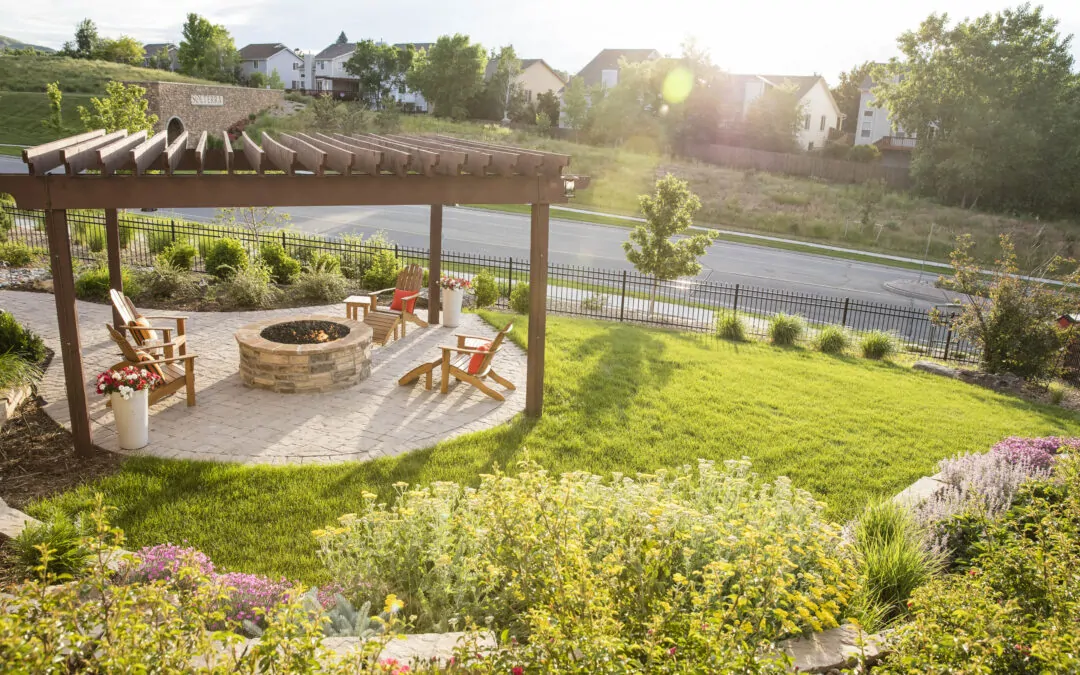
Hardscaping plays a significant role in xeriscape design. Features such as patios, walkways, and retaining walls reduce the amount of irrigated space while adding structure and functionality.
Incorporating hardscaping elements can:
- Create outdoor living areas
- Improve drainage and erosion control
- Reduce maintenance requirements
- Enhance overall design cohesion
When combined with drought-tolerant plantings, hardscaping helps create a balanced and sustainable outdoor environment.
The Maintenance Benefits of Xeriscaping
One of the major advantages of xeriscaping is reduced maintenance. While all landscapes require some level of care, xeriscaped yards typically require less mowing, watering, and fertilizing than traditional lawns.
Maintenance tasks may include:
- Occasional pruning
- Seasonal cleanup
- Monitoring irrigation systems
- Refreshing mulch
With proper planning and installation, xeriscaping allows homeowners to spend more time enjoying their outdoor space and less time maintaining it.
Our Approach to Xeriscaping at C&H Landscaping
At C & H Landscaping, xeriscaping is about more than water conservation. We believe that it’s about creating outdoor spaces that are both sustainable and beautiful. Our expert landscaping team takes a design-build approach, ensuring every element of the landscape works together seamlessly.
We carefully evaluate each property to develop a custom plan that incorporates drought-tolerant plantings, efficient irrigation, and thoughtfully integrated hardscaping. Our goal is to create landscapes that reflect our clients’ vision while performing exceptionally well in Colorado’s climate.
Because our team includes experienced designers, craftsmen, and irrigation specialists, we are able to manage every aspect of the project in-house. This allows us to maintain a high level of quality and attention to detail from concept to completion.
Frequently Asked Questions About Xeriscaping in Colorado
Does xeriscaping increase property value in Colorado?
A professionally designed xeriscape can improve curb appeal, reduce ongoing maintenance costs, and make a property more attractive to buyers who value water efficiency.
Does xeriscaping mean removing all grass?
No. Xeriscaping often keeps turf in functional areas while replacing unnecessary lawn space with drought-tolerant plants, mulch, and hardscaping.
How much water can xeriscaping save?
Water savings depend on the original landscape, plant selection, irrigation system, and overall design. Replacing water-intensive turf and improving irrigation efficiency can substantially reduce outdoor water use.
How long does it take for a xeriscape to become established?
Most xeriscape plants require regular watering during their first growing season. Once established, they generally need much less supplemental irrigation.
Hire C&H Landscaping for Expert Xeriscaping Services
If you’re ready to transform your outdoor space with a water-efficient, beautifully designed landscape, C&H Landscaping is here to help. We specialize in creating custom xeriscapes that enhance your property while reducing water usage and maintenance. From initial design to final installation, we guide you through every step of the process to ensure your landscape meets your goals and exceeds your expectations.
Contact C&H Landscaping today to schedule a consultation and learn how we can bring your xeriscaping vision to life. Let us help you create an outdoor environment that is sustainable, functional, and designed for lasting enjoyment.

At C&H Landscaping, our mission is to transform everyday outdoor spaces into something extraordinary with creative designs and top-notch craftsmanship. Expert Denver landscaping services from custom design to professional installation. We offer tailored solutions that enhance curb appeal, increase property value, and bring your vision to life.